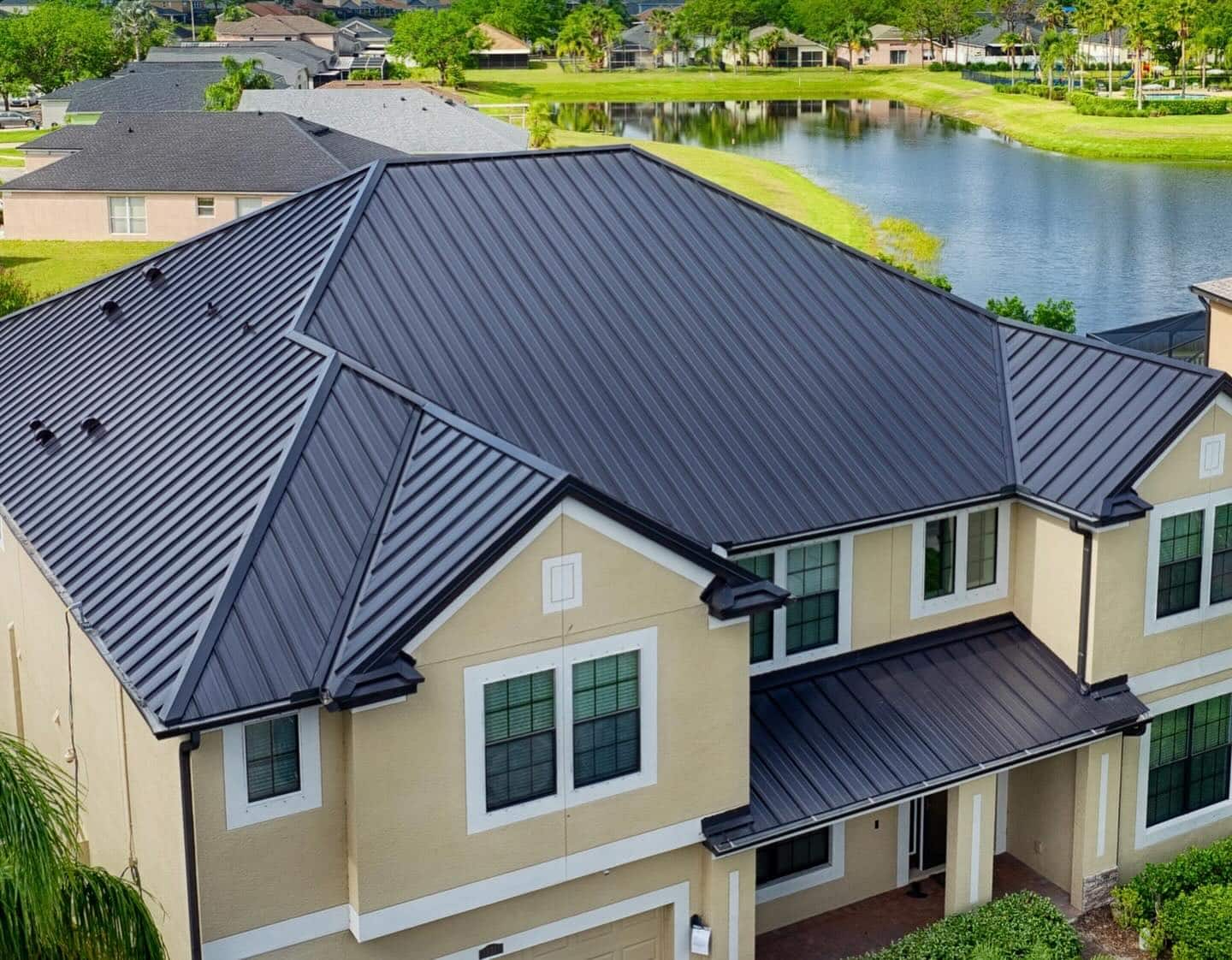
Why Underlayment Matters for Metal
Underlayment is genuinely important to a metal roof's performance, and understanding why helps a Martinsville homeowner value a quality installation. Here is why it matters.
Backup Moisture Protection
The underlayment provides backup moisture protection, so if water ever gets past the metal panels, from wind driven rain, ice, or another cause, the underlayment helps keep it from reaching the deck and home. While the metal is the primary barrier, this secondary defense is valuable insurance against moisture. The backup protection underlayment provides is a core reason it matters. It guards against water that gets past the panels. It is a second line of defense.
Protecting the Roof Deck
By keeping moisture off the deck, the underlayment helps protect the sheathing the roof is built on, supporting the structure's integrity and longevity. A dry deck stays sound, while a deck repeatedly exposed to moisture could deteriorate. The underlayment's role in protecting the deck matters to the roof and home over the long term. It helps keep the roof's structure dry and sound. It defends the deck beneath the panels.
Contributing to Longevity
By protecting the deck and providing backup moisture defense, quality underlayment contributes to the roof's and home's longevity, supporting the durability a metal roof is known for. The underlayment is part of what helps a metal roof last and perform over its long life. Its contribution to longevity is a real benefit. Quality underlayment supports the roof's lasting performance. It helps the roof endure.
A Smooth Surface
Underlayment also provides a smooth, consistent surface over the decking for the metal panels, which can aid the installation and the roof's performance. This practical role supports a quality installation of the panels. The smooth surface underlayment provides is part of its function in the assembly. It contributes to how the panels sit and perform. It aids the overall installation.
Part of Doing It Right
Ultimately, quality underlayment, properly installed, is part of doing a metal roof correctly, which is why a quality installation does not skimp on it. Cutting corners on underlayment undermines the roof's protection and longevity. Including proper underlayment is a mark of a quality metal roof installation. It reflects building the roof the right way. It is part of a job done correctly.
Why It Matters, in Short
Underlayment matters because it provides backup moisture protection, protects the roof deck, contributes to longevity, and offers a smooth surface for the panels. Quality underlayment, properly installed, is part of doing a metal roof correctly.
It also helps Martinsville homeowners to know that underlayment has evolved, and that modern synthetic underlayments have largely become the standard for quality metal roof installations, which is worth understanding when comparing what different contractors propose. For many years, the traditional underlayment was felt, an asphalt saturated material that provided a basic moisture barrier and served adequately, and felt is still used in some applications. But synthetic underlayments, made from durable engineered materials, have become the common choice for quality metal roofing because they offer real advantages, they are generally more durable and far more resistant to tearing than felt, they hold up better over time and under the conditions beneath a roof, and they handle the heat that builds under metal panels well when a high temperature rated product is chosen. In addition to synthetics, there are self adhering membranes, sometimes called peel and stick, which adhere directly to the deck and form a sealed barrier, providing especially strong moisture protection and the ability to seal around fasteners, and these are often used in particularly vulnerable areas or wherever extra protection is warranted. The practical takeaway for a homeowner is not that they need to become an expert in underlayment products or specify them personally, but rather that an experienced, reputable metal roofing contractor will select an appropriate, quality underlayment for the roof, commonly a durable, high temperature synthetic, with added protection where it makes sense, and will install it correctly with proper overlap and detailing. The underlayment a contractor uses and how they install it is one of the quiet indicators of whether they build metal roofs to a high standard or cut corners on the parts that do not show.
It also helps Martinsville homeowners to know that underlayment has evolved, and that modern synthetic underlayments have largely become the standard for quality metal roof installations, which is worth understanding when comparing what different contractors propose. For many years, the traditional underlayment was felt, an asphalt saturated material that provided a basic moisture barrier and served adequately, and felt is still used in some applications. But synthetic underlayments, made from durable engineered materials, have become the common choice for quality metal roofing because they offer real advantages, they are generally more durable and far more resistant to tearing than felt, they hold up better over time and under the conditions beneath a roof, and they handle the heat that builds under metal panels well when a high temperature rated product is chosen. In addition to synthetics, there are self adhering membranes, sometimes called peel and stick, which adhere directly to the deck and form a sealed barrier, providing especially strong moisture protection and the ability to seal around fasteners, and these are often used in particularly vulnerable areas or wherever extra protection is warranted. The practical takeaway for a homeowner is not that they need to become an expert in underlayment products or specify them personally, but rather that an experienced, reputable metal roofing contractor will select an appropriate, quality underlayment for the roof, commonly a durable, high temperature synthetic, with added protection where it makes sense, and will install it correctly with proper overlap and detailing. The underlayment a contractor uses and how they install it is one of the quiet indicators of whether they build metal roofs to a high standard or cut corners on the parts that do not show.
It also helps Martinsville homeowners to know that underlayment has evolved, and that modern synthetic underlayments have largely become the standard for quality metal roof installations, which is worth understanding when comparing what different contractors propose. For many years, the traditional underlayment was felt, an asphalt saturated material that provided a basic moisture barrier and served adequately, and felt is still used in some applications. But synthetic underlayments, made from durable engineered materials, have become the common choice for quality metal roofing because they offer real advantages, they are generally more durable and far more resistant to tearing than felt, they hold up better over time and under the conditions beneath a roof, and they handle the heat that builds under metal panels well when a high temperature rated product is chosen. In addition to synthetics, there are self adhering membranes, sometimes called peel and stick, which adhere directly to the deck and form a sealed barrier, providing especially strong moisture protection and the ability to seal around fasteners, and these are often used in particularly vulnerable areas or wherever extra protection is warranted. The practical takeaway for a homeowner is not that they need to become an expert in underlayment products or specify them personally, but rather that an experienced, reputable metal roofing contractor will select an appropriate, quality underlayment for the roof, commonly a durable, high temperature synthetic, with added protection where it makes sense, and will install it correctly with proper overlap and detailing. The underlayment a contractor uses and how they install it is one of the quiet indicators of whether they build metal roofs to a high standard or cut corners on the parts that do not show.
Get a Roof Done Right
Martinsville Metal Roofing installs metal roofing with quality underlayment as part of doing the job correctly across Martinsville and Morgan County. Call (765) 676-3491 for a free consultation on a metal roof built right, from the underlayment up.